
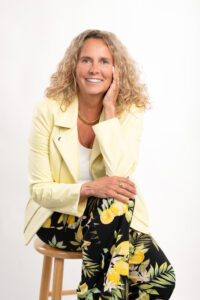
Hollis Hodson
Municipality where you are running: Saanich
Position you are running for: Councillor
Are you associated with or running as part of a slate? No.
URLs (web addresses/links) for any websites/social media you are using for your campaign.
Website: https://hollishodson.ca/
Facebook: https://www.facebook.com/HollisHodsonCandidateforSaanichCouncil/
Instagram: https://www.instagram.com/hollishodson/
LinkedIn: www.linkedin.com/in/hollisrhodson
Do you live in the municipality where you are running, and if so, for how long? If not, in which municipality do you live? What is your connection to the community where you are running?
Yes. 34 Years.
I am a new independent candidate for Saanich Council with over 22 years of community advocacy, leadership and public engagement. A Saanich homeowner since 1992, I have collaborated directly with residents, community associations, municipal staff, elected officials and other levels of government to advance practical solutions to neighbourhood safety, environmental protection and community planning, while working and raising a family.
I understand the day-to-day realities of balancing work, family and community life. I have served school executives and volunteered with Scouts and local sports, including President of Hampton Little League. I am also President of the Carey Area Communication, Chair of the Saanich Community Association Network, and Block Watch Captain. These experiences have given me a firsthand understanding of the challenges families face and the importance of strong, connected communities.
My formal civic engagement began in 2004, when sustained advocacy helped uncover longstanding community safety concerns and brought multiple partners together to complete the Burnside Road Streetscape project. I continue to lead community efforts, working alongside Saanich staff and local stakeholders to finalize the protection of Panama Flats Park.
What is your job/profession, and for how long?
My professional career spans more than 30 years in information technology and management consulting, working in healthcare, finance, telecommunications, private sector and all levels of government. What began as a career in IT healthcare evolved into a broad understanding of how organizations work, how technology can support them, and how to bring people and systems together to solve complex problems, simply.
When I moved to Victoria, I transitioned into consulting with BC ministries including Environment, Forestry, Labour and Consumer Services, Finance and Provincial Revenue. Working directly with the people doing the work taught me an approach that has stayed with me throughout my career; listen first, understand the problem, and then find a practical way to make something involved work better.
Later, my career took a more entrepreneurial turn. I co-founded a company with my husband to work from home while raising our two sons and providing consulting services to public and private-sector clients. As our sons became independent, I returned to full-time work with a local firm, where my work increasingly focused on municipal government. As Director of Local Government, I led municipal software modernization projects involving governance, finance, land-use planning, permitting, licensing and asset management, followed by work supporting provincial and municipal telecommunications and infrastructure upgrades. Helping modernize systems municipalities relied on to manage everything from development applications and permits to financial and asset management, required more than understanding technology: it meant understanding how the organization operated, where processes were getting in the way, and how to bring staff, leadership and technology together to build something that worked more efficiently. During door knocking and community events, it has been wonderful to reconnect with past clients who still remember the work we did together and, even after many years, the difference it made to their organizations.
Through every stage, the common thread has been learning something new, understanding how the pieces fit together and finding a practical way forward. That experience has given me a broad understanding of government operations, technology, business and the systems that support effective municipal decision-making.
Tell us about your previous elected and/or community experience.
My community leadership includes serving as:
- Chair, Saanich Community Association Network
- President, Carey Area Residents Association
- Member, UVic Community Association Liaison Committee
- Member, Saanich Natural Areas, Trails and Parks Advisory Committee
- Community Coordinator, Burnside Road Streetscape Project
- Community Coordinator, Marigold, Spectrum and St. Joseph’s Safer School Travel
- President, Hampton Little League
- Director, Layritz BC Minor Baseball
- Member, Saanich Neighbourhood Place Board
- Coordinator, Scout Group Camp Meal Volunteers
- Captain, Saanich Police Block Watch Program
If you have previously held office: What have you accomplished that you’re proud of, and how much did it cost the municipality?
While I have not previously held elected office, a decade ago I advocated on behalf of residents to ensure early neighbourhood infill projects provided adequate parking and that the homes being built would be lived in by their owners. For the community, it was not about preventing infill, something the community supported, it was about setting a responsible precedent through covenants on the properties.
If you have previously held office: What do you wish the municipality had not done under your watch?
While I have not previously held elected office, I believe Saanich can do better when it comes to public participation at Council meetings. I would restore the practice of hearing public input immediately before each agenda item is considered. On a full agenda, asking Council to hear public input on numerous issues at the beginning of a meeting and potentially carry that information into a second evening creates a process where important perspectives can be harder to connect to the decisions being made.
Hearing residents immediately before each item would allow Council to consider their comments while the issue is fresh, while also giving residents a clearer sense that they have been heard. Where large crowds are expected, the public gallery could rotate between items. I would also return open public input and modernize how public input is scheduled, making the process more predictable and accessible for residents while respecting Council’s need to conduct its business efficiently.
Why are you running?
Saanich is at a pivotal moment in time. My campaign is about bringing residents’ voices to Council as we make decisions about the community we love, the future we want to build together, and the responsibility we share to leave Saanich stronger than we found it. It is about Protecting What Matters.
Over thirty years ago, my husband and I bought our first home in Saanich. We weren’t thinking about politics. We were thinking about possibility. Saanich is where we raised our two sons, built lifelong friendships, volunteered with youth sports, Scouts and schools, and discovered something that has shaped my life: strong communities don’t happen by accident. They are built by ordinary people who choose to get involved.
My civic journey began with a sidewalk twenty-two years ago when the route we walked to school wasn’t safe. I wondered, “Who is responsible?” That question changed the course of my life. One Council meeting led to another, and before long I found myself sitting around tables with municipal engineers, planners, school district representatives, provincial officials and community members. I wasn’t there because I was an expert. I was there because I cared. What began as one parent’s concern became years of research, collaboration, persistence and advocacy, contributing to the Burnside Road Streetscape Project.
When I am door knocking, I’m hearing frustration from residents who feel current Council decisions are sometimes being driven more by ideology than by practical solutions. My experience has taught me that lasting progress comes from listening first, researching the facts, understanding different perspectives, building trust and bringing people together around workable solutions. A wise person once told me Progress moves at the rate of trust.
Whether serving as President of the Carey Area Residents Association, Chair of the Saanich Community Association Network, working with others to protect Panama Flats, serving on municipal advisory committees, coaching Little League, volunteering with Scouts or supporting our schools, I have learned the same lesson: communities are stronger when people work together.
That is the kind of leadership I want to bring to Council, leadership that listens before it speaks, asks the right questions, understands the trade-offs and finds practical solutions.
What is your motivation?
In addition to encouragement from the community, which is completely humbling, I don’t believe I can complain if I am not willing to step up and make a difference. After reading Moral Ambition, I realized I couldn’t sit on the sidelines. Its message resonated with my personal aspiration to make a positive impact: thinking globally and acting locally. I want to start by ensuring residents to feel heard.
Your Voice. Your Community. Your Council.
What would you bring to council?
- Business Experience: From entrepreneurial to senior management roles.
- Municipal Knowledge: Leading Municipal Information systems and Telecommunication projects.
- Proven Civic Advocacy:
- Streetscape and Safer School Travel Community Coordinator,
- Development Permit Application reviews,
- Environmental Protection initiatives,
- President, Carey Area Residents Association,
- Chair, Saanich Community Association Network, Chair
- Community perspective. Resident, Parent, Walker, Volunteer.
I have taken kitchen table conversations to city hall, worked them through the local process and delivered infrastructure our neighbourhood relies on every day, such as the Burnside Road Streetscape.
In your opinion, what are the three most important challenges facing your community?
- Attainable and affordable housing
- Transportation
- Environmental stewardship
None of which is achievable without fiscal responsibility and financial accountability with a lens of safety first for project prioritization.
What’s your vision for your community in 10 years?
In 10 years, I want Saanich to still feel like the community we love today: a place where people can afford to put down roots, move around safely, enjoy and protect our parks and natural spaces, and feel connected to their neighbours and community.
I want us to have grown thoughtfully, with the infrastructure and services to support that growth, while protecting the things that make Saanich special.
Most importantly, I want residents to feel heard and confident that their voices matter in shaping the future of their community.
What is one “big idea” you have for your community?
My big idea is to see Panama Flats become one of Saanich’s signature natural and community destinations while remaining accessible to everyone.
I envision restored Garry oak forest, thriving wetlands and a healthy, bubbling Colquitz River. Invasive species would be removed and carefully managed, with native habitat restored alongside an orchard of fruit trees and a natural apiary.
A floating ring walkway around the wetlands would allow people to experience this remarkable landscape without compromising its sensitive habitat. It could become a destination for birdwatching and ecotourism, celebrating the many species that nest and stop at the wetlands, while seasonal events could highlight the changing wildlife and biodiversity. A farmers’ market and other community gatherings would keep the land connected to the community.
At the heart of it would be a nature and cultural house where visitors could learn about the wetlands, wildlife and biodiversity, as well as the Indigenous history and stories of this place.
My vision is a Panama Flats where nature thrives, birds and wildlife flourish, people gather, and every generation can experience, learn from and connect with this extraordinary part of Saanich.
If elected, how will you balance your goals with fiscal responsibility?
Fiscal responsibility starts with recognizing that every taxpayer’s dollar matters. I would advocate balancing priorities by looking at the full lifecycle cost of projects, maintaining the existing infrastructure, and ensuring new spending is supported by clear evidence of need and long-term value.
Before committing to major initiatives, I would want to understand the costs, alternatives, funding sources and impact on current and future taxpayers. I believe Saanich needs to protect its residential, small business and commercial tax base and look for new opportunities to improve how the municipality operates before asking residents and businesses to pay more. To further safeguard its tax base, Saanich must adopt a businesslike approach to delivering an economic development plan built on specific, measurable, attainable, relevant, time-bound (SMART) objectives, including the projected return on investment, and action the plan: regularly monitoring to ensure targets are being met.
Are you in favour of increased development or densification in your community? How would you balance the need for more housing, as mandated by the province for some areas, with local concerns?
I do not believe the question is as simple as being for or against development and densification. Saanich is a mosaic of serene rural, quiet suburban, and bustling urban settings, and housing needs to reflect those differences.
Yes, additional housing is needed; however, it must be the right housing in the right places. I am hearing from rural residents that they are having trouble adding secondary and garden suites resulting in limited in-fill. While established suburban neighbourhoods desire thoughtful infill to make better use of existing land with homes that accommodate families, including secondary and garden suites as mortgage helpers and appropriate multi-generational housing. These options can provide a wider variety of attainable and affordable below-market housing for seniors, professionals, young families, students and those caring for aging parents.
Adding three units with mixed-type attainable and affordable housing to a property can provide appropriate additional housing without necessarily replacing a single-family home with for-market rentals or ownership units priced close to the value of the original home. Saanich should also streamline lengthy approval processes so these mixed housing types can be delivered faster.
Development cannot happen in isolation. Schools, recreation centres, parks, transportation, childcare and other community services must have the capacity to support growth. I am hearing from families that some local schools are already full, and that parents taking temporary job assignments can find themselves without a place for their children in their local school upon their return. Urban centres may be able to support additional commercial childcare, fitness and other services; however, those options are not as readily available or easily added in suburban and rural neighbourhoods.
Environmental and infrastructure capacity need to be considered before significant densification occurs. Natural assets such as wetlands, waterways and mature trees provide protection at little or no cost and cannot simply be replaced once lost. Aging infrastructure may not support substantially more units without significant investment.
Vibrant urban centres are appropriate places for greater density, including supportive and accessible housing located near much-needed services, supports and transportation, particularly on public land.
Finally, Saanich needs to make it easier for residents and local builders to navigate approval and inspection processes. I frequently hear from local builders and residents who have waited years and spent significant amounts to obtain permits for secondary suites, renovations and other forms of infill, leaving them frustrated with the process and, in some cases, wanting to live and work elsewhere.
Additional housing is needed; however, development should be planned alongside the services, infrastructure, transportation, environment and community amenities that make a house or rental a home within a community. Local contractors and builders who live in the community understand this best. Success should be measured not simply by the number of units built, but rather by whether people can live, connect and thrive.
Governing is hard. How do you make decisions when the answers aren’t clear?
Governing is rarely about having all the answers. My approach is to understand the problem, listen to the people closest to it, understand how the different pieces connect, and then make the best decision possible with the information available.
Throughout my career in IT, management consulting and local government, I have often worked on complex problems where there was no obvious answer. One tool I use is a SWOT assessment, which looks at the strengths, weaknesses, opportunities and threats associated with each option. It helps separate what is known from what is uncertain, identify unintended consequences and make the trade-offs more visible.
Good decisions require listening to different perspectives, particularly those who will experience the outcome firsthand. Community advocacy has taught me that residents often understand practical impacts that may not be apparent from a report or technical analysis.
When the answer is still unclear, I would rather acknowledge the uncertainty, seek the information that is missing and make a thoughtful decision than create false certainty. Council decisions affect people, neighbourhoods and taxpayers for years, so the objective should be evidence-informed decisions, transparent trade-offs and a willingness to adjust when new information shows a better way forward.
Voters in Victoria and Saanich will weigh in on amalgamation. If the vote is in favour of amalgamation, would you support it taking place?
No. I would not support Saanich’s amalgamation with Victoria. I followed the Citizens’ Assembly process and reviewed the resulting report on arriving at my decision. If the vote is in favour of amalgamation, I would not support Council pursuing amalgamation with Victoria.
I would support council pursuing shared regional services where there are clearly identified opportunities to improve services or achieve measurable cost savings.